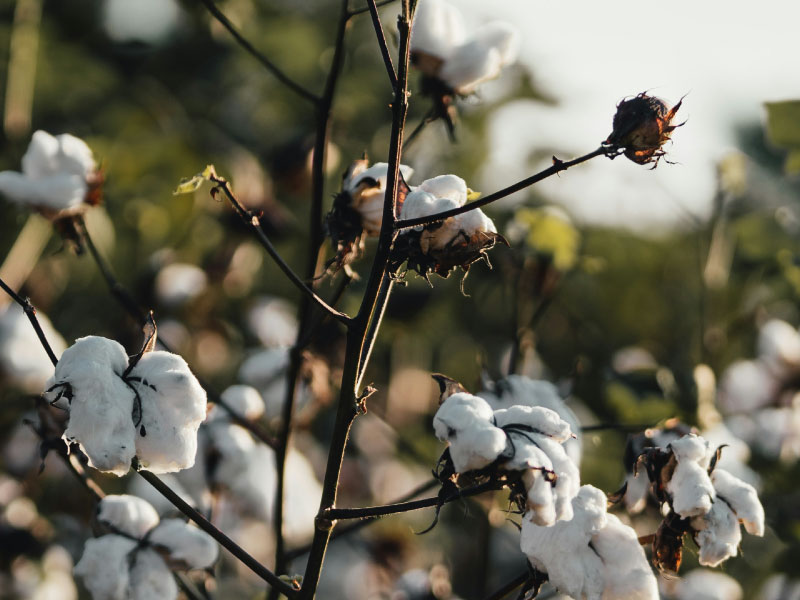


When selecting our denim, sweatshirts, T-shirts and all other cotton items, we opt for organic cotton or recycled cotton.
The benefits of organic cotton are easy to explain: its cultivation uses 88 per cent less water than conventional cotton farming. Farmers are not exposed to harmful pesticides, the soil is not damaged by monoculture and chemical fertilisers, and biodiversity can be preserved.
A well-known standard for the certification of organic cotton is GOTS: the ‘Global Organic Textile Standard’ (GOTS) regulates and independently audits ecologically produced natural materials from the field right through to the finished garment.
Care guide:
Cotton is an easy-care material. To ensure you can enjoy your garments for a long time, we recommend washing them at 30 degrees with a moderate spin cycle. Higher temperatures can damage the fibres, cause the material to age and, in some cases, shrink. Furthermore, the garments may lose their shape more quickly if spun too vigorously.
Jeans, particularly dry denim, should definitely be worn in for a while before their first wash. After that, they can be washed inside out at 30 degrees using liquid detergent. Remove the jeans from the machine immediately after the wash cycle to prevent colour streaks. The indigo dye on the jeans is vibrant and may react differently depending on the wearer.
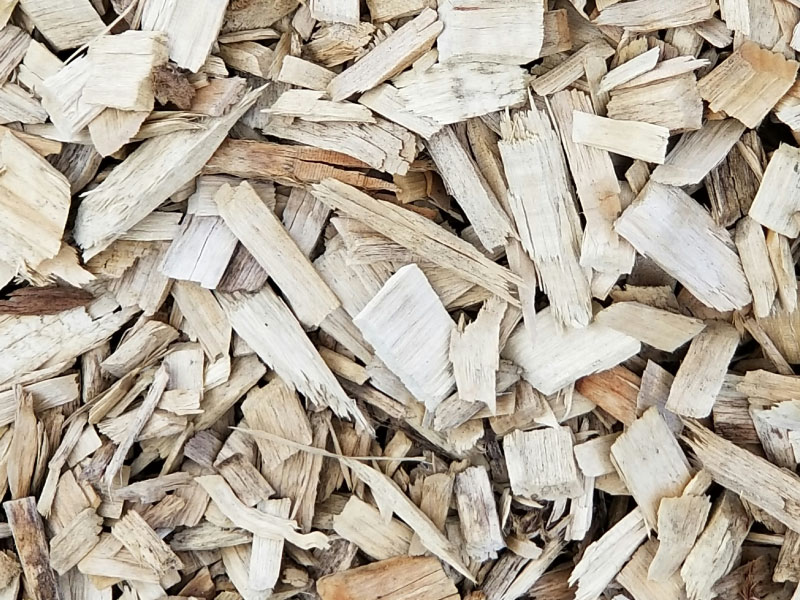
Lyocell, viscose, modal and cupro are cellulose (wood)-based fibres that are processed into viscose fibres through chemical treatment. These fibres generally have excellent temperature- and moisture-regulating properties and, depending on their construction, can feel very fine and silky to the touch. Lenzing’s Tencel® and EcoVero® fibres are produced using a circular process in which wastewater and chemical by-products remain within the cycle, thereby conserving resources and preventing environmental pollution.
Care guide:
With these delicate materials, please follow the manufacturer’s washing instructions on the care label. We recommend using a laundry bag and a wool or delicates detergent, and selecting only the wool or delicates cycle on your washing machine.
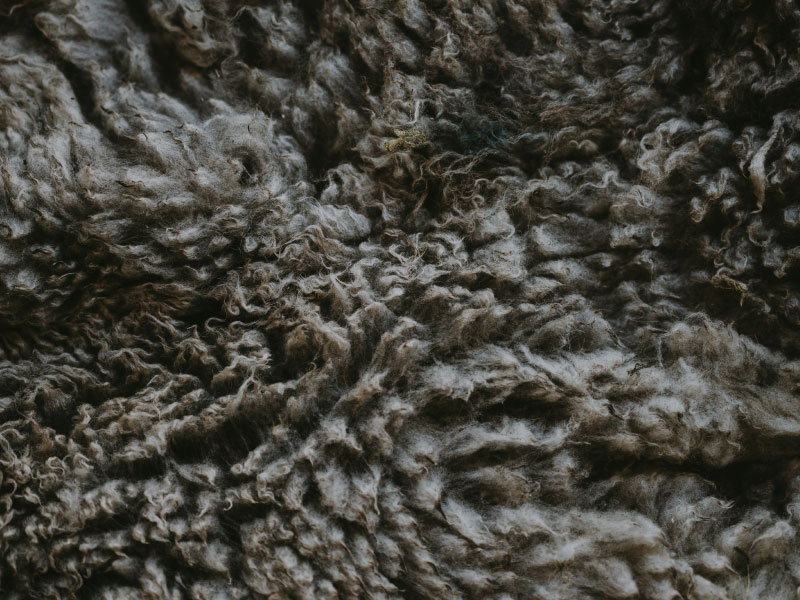
Here, we use recycled wool, wool from certified organic farms or wool from responsible producers who, of course, do not practise methods such as ‘mulesing’.
Care guide:
It’s best to wash woollen items as infrequently as possible. Wool is a self-cleaning material that allows odours to dissipate simply by airing it out. So, after a visit to the pub or a takeaway, you can hang your woollen jumpers in the bathroom whilst you have a hot shower. The warm steam penetrates the garment, carrying away any unpleasant odours. If you do want to wash them, use the wool or hand-wash cycle on your washing machine and a special wool detergent. It’s essential to ensure the water is cold and the spin speed is very low, as spinning compresses the wool and can cause it to felt.
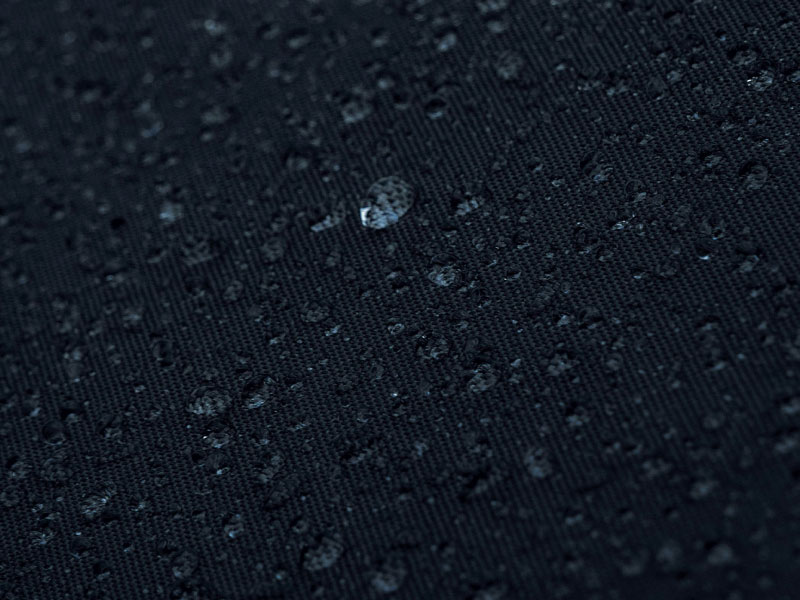
Synthetic fibres remain the standard in the manufacture of functional and technical textiles. Depending on the fibre production process, construction and finishing, textiles made from polyester, polyamide or nylon can be given specialised properties. These include, for example, water-repellent, moisture-regulating, wind-repellent or thermoregulatory properties.
To avoid the production of so-called ‘virgin’ polyester (new polyester fibres) from crude oil, we rely as far as possible on resource-efficient, recycled polyester. Many of our brands also offer circular products that can be recycled again at the end of their useful life.
Various labels and certifications are used to monitor the recycling processes and the environmental impact of producing these fibres; examples include the Global Recycled Standard (GRS) and bluesign®.
The aim of the bluesign® label is to reduce the environmental impact of the textile industry. It focuses on chemical management (bans and limit values for chemicals). The Global Recycled Standard (GRS) aims to increase the proportion of recycled materials in a product. The standard enables companies to record the exact proportion of recycled material in a product and to track it throughout the production chain.
Care Guide:
Sweat and dirt can clog the membranes used in technical textiles, thereby impairing their function. Your garment may then lose its breathability or waterproofing, for example. That’s why it’s important to look after and wash your hardshell or softshell from time to time.
Always follow the instructions on the care label and please feel free to contact us before washing or if you have any questions.
We recommend using liquid detergent, avoiding fabric softener, washing at low temperatures of up to 30 degrees, and using the lowest possible spin speed of 600–800 revolutions.
If you feel that, for example, your clothing’s water resistance is diminishing, this is not a sign that the garment has reached the end of its useful life, but simply that it needs washing and/or the DWR coating needs to be renewed. This can easily be achieved using a specialised detergent for technical clothing.